
Thailand’s regulatory framework tightened in early 2026 — here’s what that means if you’re sourcing cannabis for export.
Thailand’s cannabis export rules have moved fast since the 2025 reclassification of cannabis flower as a controlled herb. A ministerial regulation published in April 2026 added stricter traceability requirements at the export-licensing stage, and renewal applications filed after that date are now reviewed under the tighter standard. For B2B buyers, the practical takeaway is simple: the gap between compliant suppliers and everyone else is widening, and it’s widening quickly.
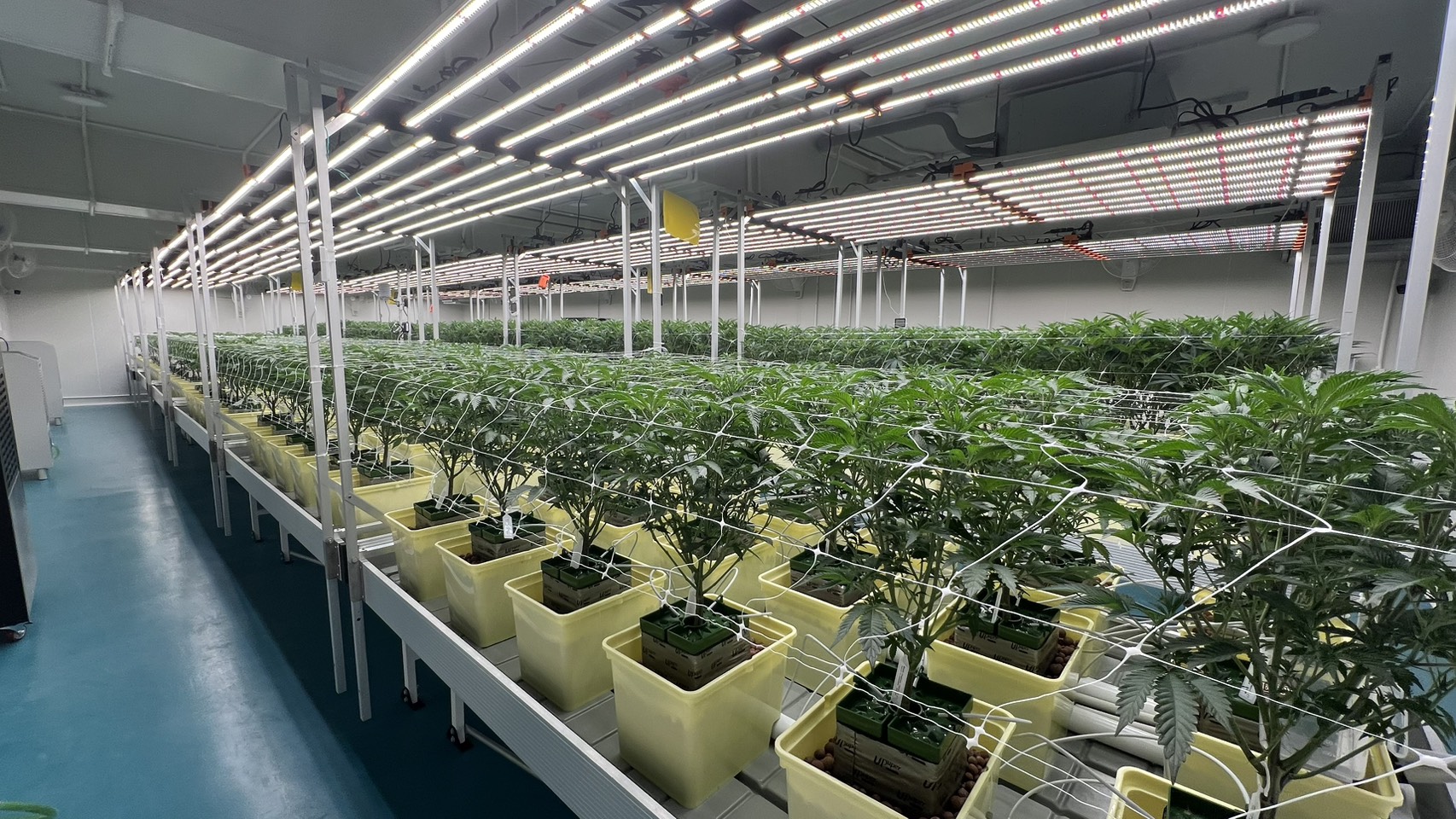
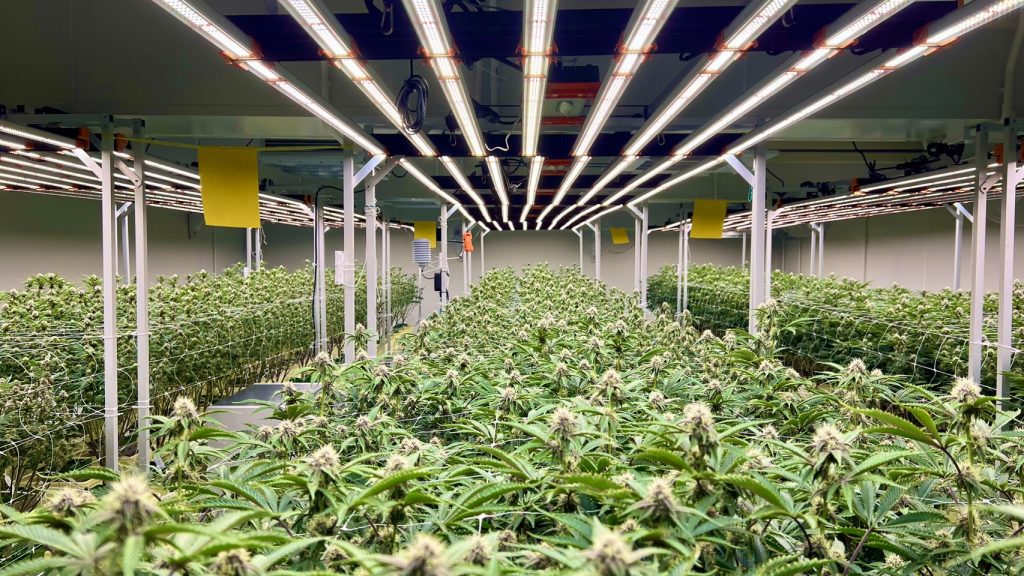
Elephant Cann is a licensed, GACP-compliant cannabis producer based in Thailand, supplying pharmaceutical-grade cannabis to B2B buyers across regulated international markets. Every batch ships with a full Certificate of Analysis from an accredited independent laboratory, covering cannabinoid profile, pesticide residues, heavy metals, and microbiological safety, with full documentation available on request.
What the 2026 Rules Actually Require
The current framework formalizes a closed-loop supply chain: cultivators may sell only to other licensees, and licensed sellers or processors must source from GACP-certified producers. Export licences for cannabis flower now require traceability documentation running from cultivation through to packaging — meaning a supplier can no longer treat GACP as a one-time formality. It has to be demonstrable, batch by batch.
Source from a producer built for the current framework, not the old one.
→ Learn more about becoming an Elephant Cann export partner
The Licensing Checklist That Hasn’t Changed
While the traceability requirements have tightened, the core licensing structure remains the same set of credentials every legitimate Thai cannabis exporter needs:
- Cultivation licence — granted by the Thai FDA to approved growers operating under controlled conditions.
- Production/manufacturing licence — required for any processing or extraction of cannabis biomass.
- Export licence — issued by the Ministry of Public Health; products must have prior Thai FDA approval before an export licence is granted.
- Good Manufacturing Practice (GMP) certification — required by the Thai FDA for all processed or extracted cannabis products destined for export.
- GACP (Good Agricultural and Collection Practices) — mandatory at the farm level, documenting cultivation conditions, input controls, traceability, and contaminant testing from seed through harvest.
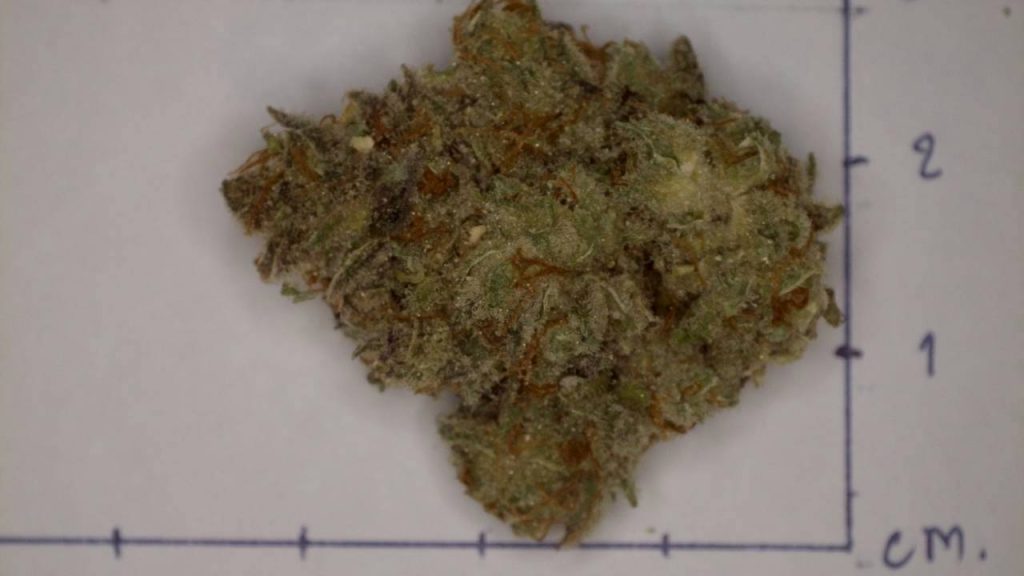
Exporters must also ensure that all products carry a valid Certificate of Analysis (COA) from an accredited laboratory, confirming cannabinoid profile, microbiological safety, pesticide residues, heavy metals, and moisture content.
Why This Matters for Existing Supply Contracts
Licences issued under the older 2020–2021 framework remain valid until their original expiry, but any renewal filed now is assessed against the new standard. If you’re locked into a multi-year supply agreement, it’s worth confirming your Thai partner’s licence renewal timeline and whether their documentation already meets the post-April 2026 traceability bar — rather than finding out at the point of shipment.
Already documentation-ready for the current framework.
→ Talk to Elephant Cann about export partnership
This article reflects general regulatory context as of mid-2026 and does not constitute legal advice. Thailand’s cannabis export rules continue to evolve; confirm current requirements with qualified legal counsel before finalizing any export agreement.